Tell us about the job
Takes about a minute. No obligation.
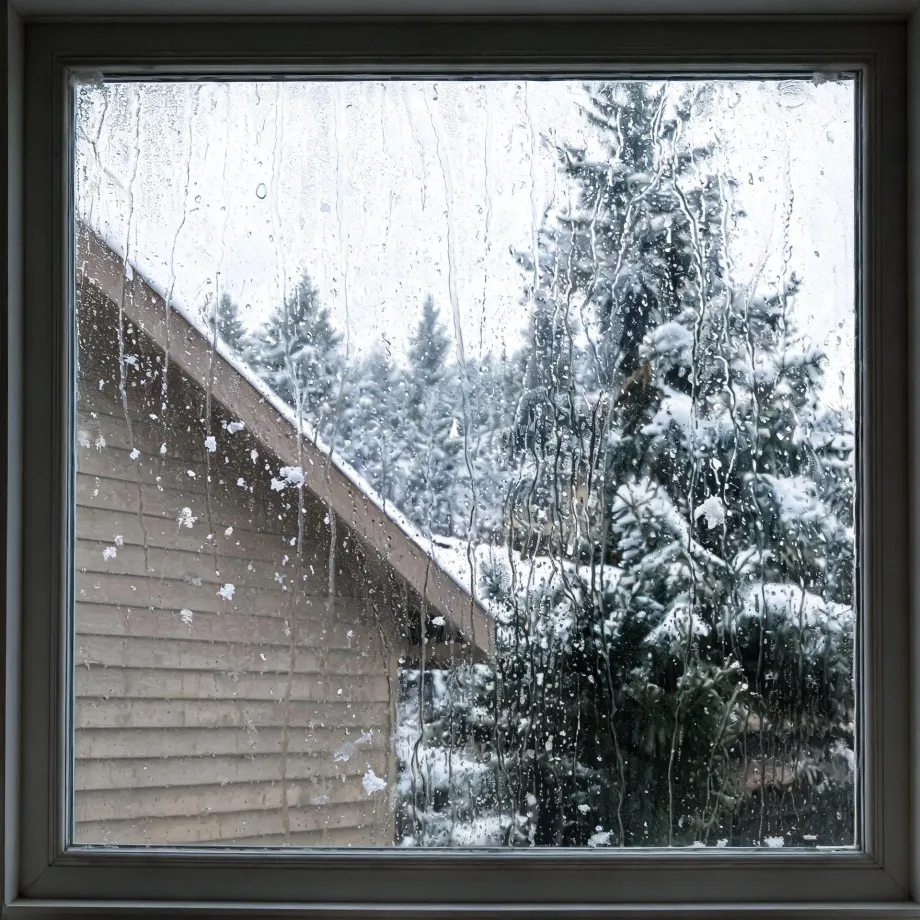
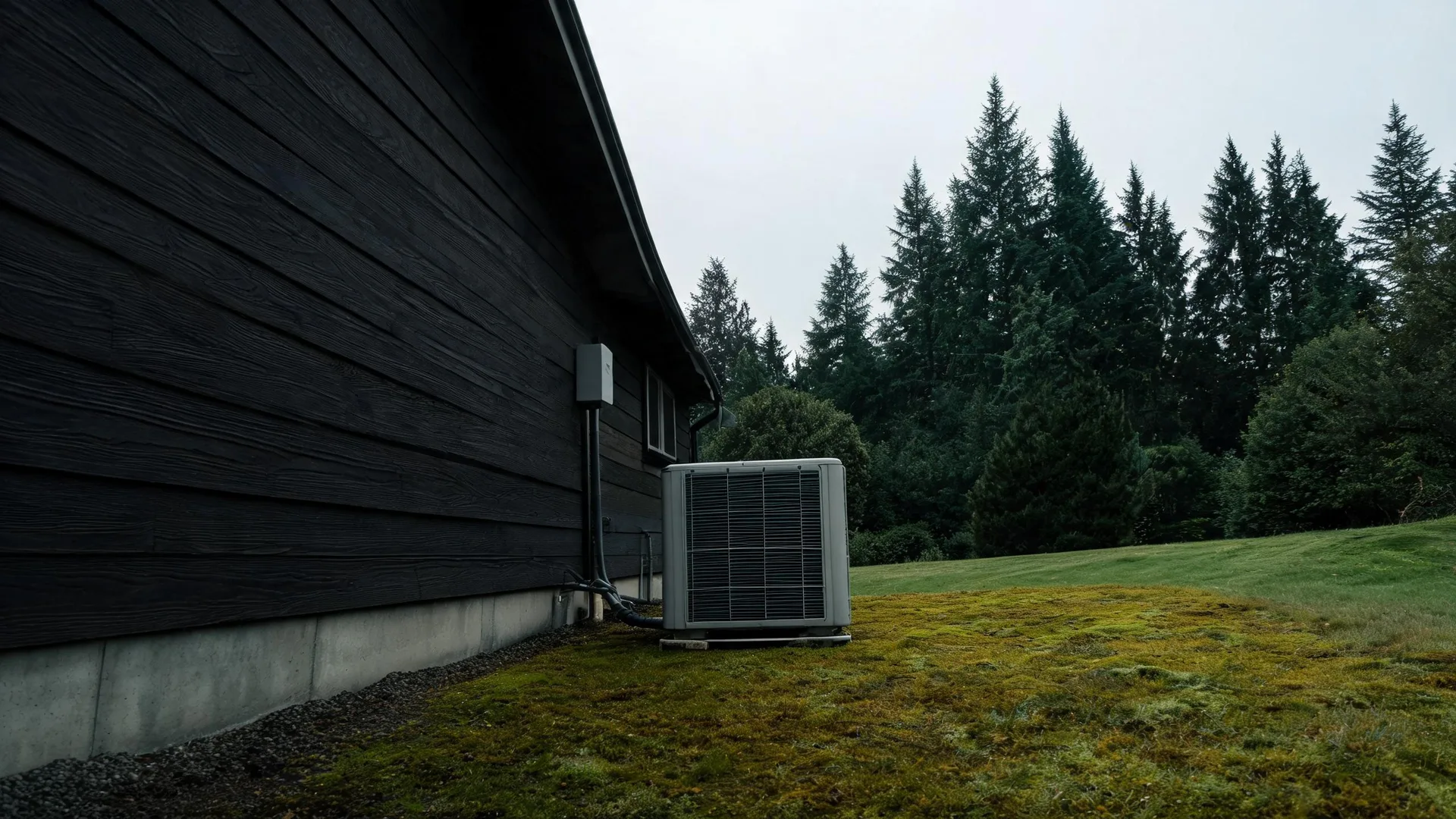
A contractor diagnosing a heat pump here starts at the compressor and the reversing valve, because those are the parts that have been working hardest. Homes in Hood River County, OR run heat about ten months a year, from September through June. A heat pump running through cold months loses capacity as outdoor temperatures fall, which means the compressor is not just cycling more often but working harder at the bottom of its range. Wear on the reversing valve shows up the same way: a valve that shifts between heating and cooling modes repeatedly over a long season develops internal leakage that a contractor can measure but a homeowner cannot see. The refrigerant circuit and the defrost controls follow closely in a repair inspection here.
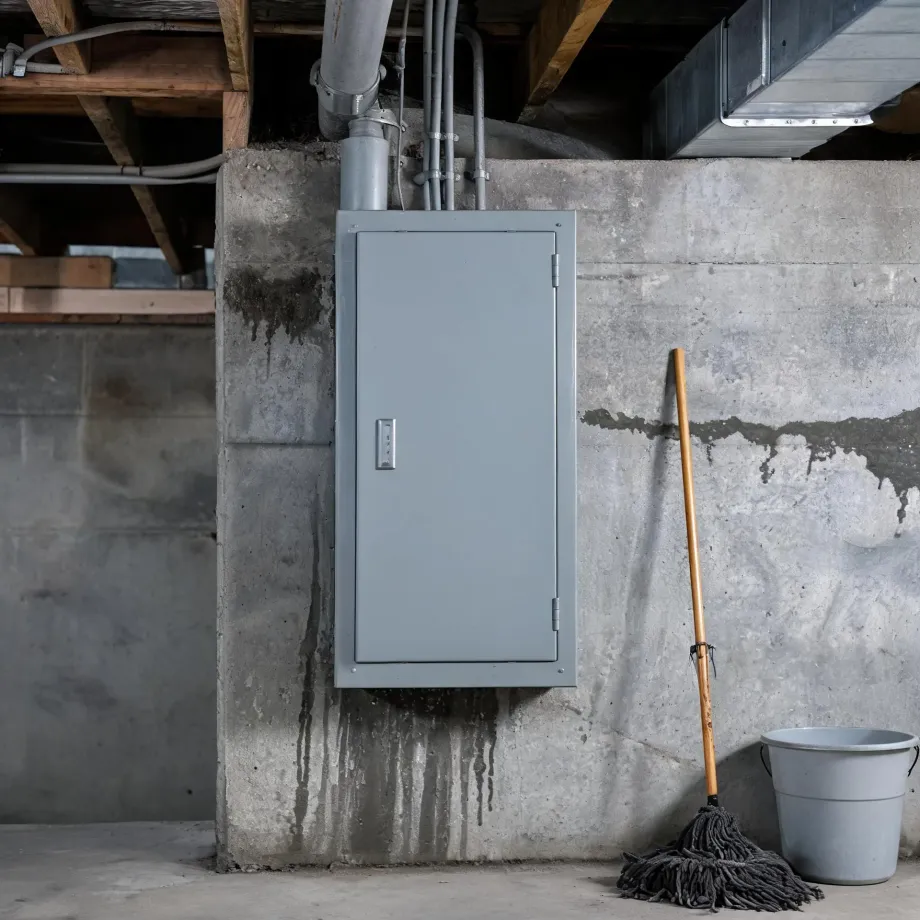
Ductwork sized for older forced-air systems and service panels wired before heat pumps were common are fixtures in a lot of this county's houses. Half the homes in Hood River County, Oregon were built in 1984 or earlier (2020-2024 ACS 5-year). That means a contractor opening a heat pump here is often working on a unit that has been compensating for conditions around it since installation, and what shows up inside the cabinet reflects that history. Worn contactors, refrigerant that has been low for seasons, and coils carrying years of buildup are what drives the repair scope. Parts availability for units of that vintage is the next question, and it shapes what the contractor prices out.
The Parts of a Heat Pump a Contractor Checks First
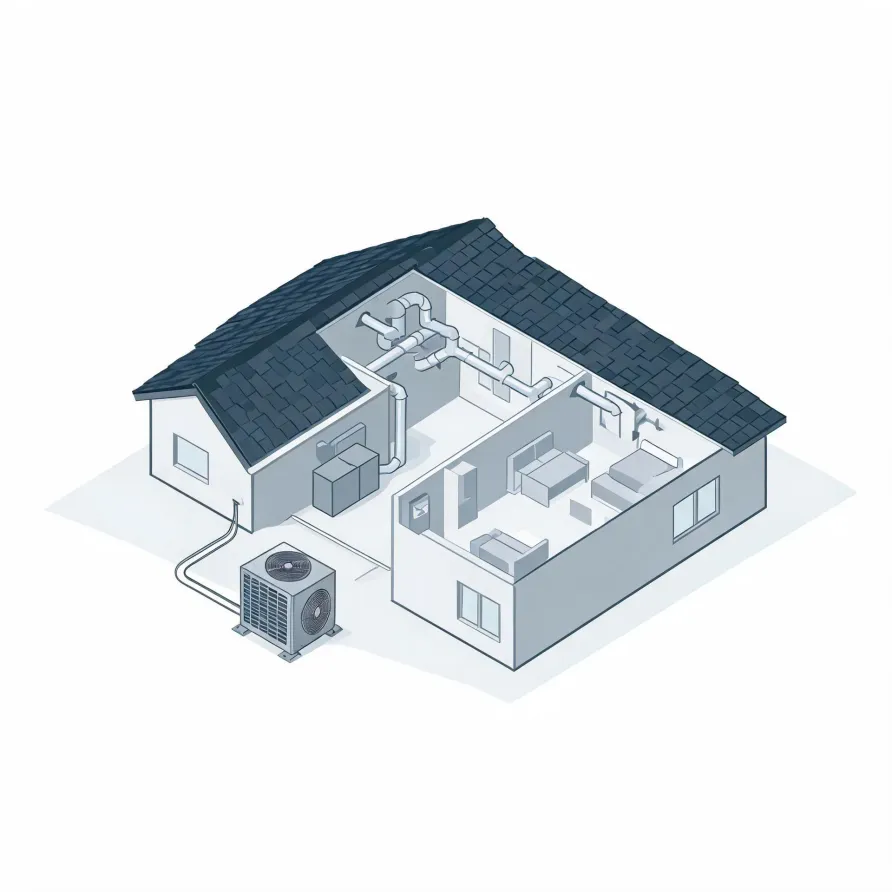
The outdoor unit sits outside the house and holds the compressor and condenser coil, which are the pieces that do the heaviest work. When a heat pump stops heating or cooling, the compressor is one of the first places a contractor looks. The condenser coil and the fan motor that pulls air across it are checked alongside it.
Inside, the air handler contains the evaporator coil and the blower that moves conditioned air through the house. The refrigerant lines run between the two units, and the reversing valve inside the system is what lets a heat pump shift between heating and cooling modes. A failed reversing valve is a common reason a unit blows the wrong temperature air.
The drawing shows a typical heat pump layout, and a licensed contractor determines which components apply to your specific home and system.
Get matched in Hood River CountyHood River County, by the record
44 severe weather events were recorded in Hood River County, Oregon between 2015 and 2024.
NOAA National Centers for Environmental Information, Storm Events Database, bulk CSV export, events 2015-01-01 through 2024-12-31.Half the homes in Hood River County, Oregon were built in 1984 or earlier (2020-2024 ACS 5-year).
U.S. Census Bureau, 2020-2024 American Community Survey 5-Year EstimatesHood River County, Oregon holds 10,290 housing units (2020-2024 ACS 5-year).
U.S. Census Bureau, 2020-2024 American Community Survey 5-Year EstimatesOwners occupy 69.4% of the occupied homes in Hood River County, Oregon (2020-2024 ACS 5-year).
U.S. Census Bureau, 2020-2024 American Community Survey 5-Year EstimatesCodes & Standards Governing Heat Pump Repair in Hood River County, Oregon2 sourced rules and standards
Licensing Rules for HVAC Repair in Hood River County, Oregon
Oregon’s contractor licence does not reach casual, minor or inconsequential work on one structure where the person’s contracts total less than $1,000 — and the exemption is unavailable to anyone who advertises or signs themselves as a contractor, at any price.
Oregon requires a current Construction Contractors Board licence, with the right endorsement, to undertake, offer to undertake or bid construction work.
Weather Events in Hood River County That Put Heat Pumps to Work
Extreme weather is mechanical stress. Every swing in outdoor conditions asks more of a heat pump, and repair needs in Hood River County are shaped by what the sky does here.
44 severe weather events, 2015–2024. Source: NOAA National Centers for Environmental Information, Storm Events Database.