Tell us about the job
Takes about a minute. No obligation.
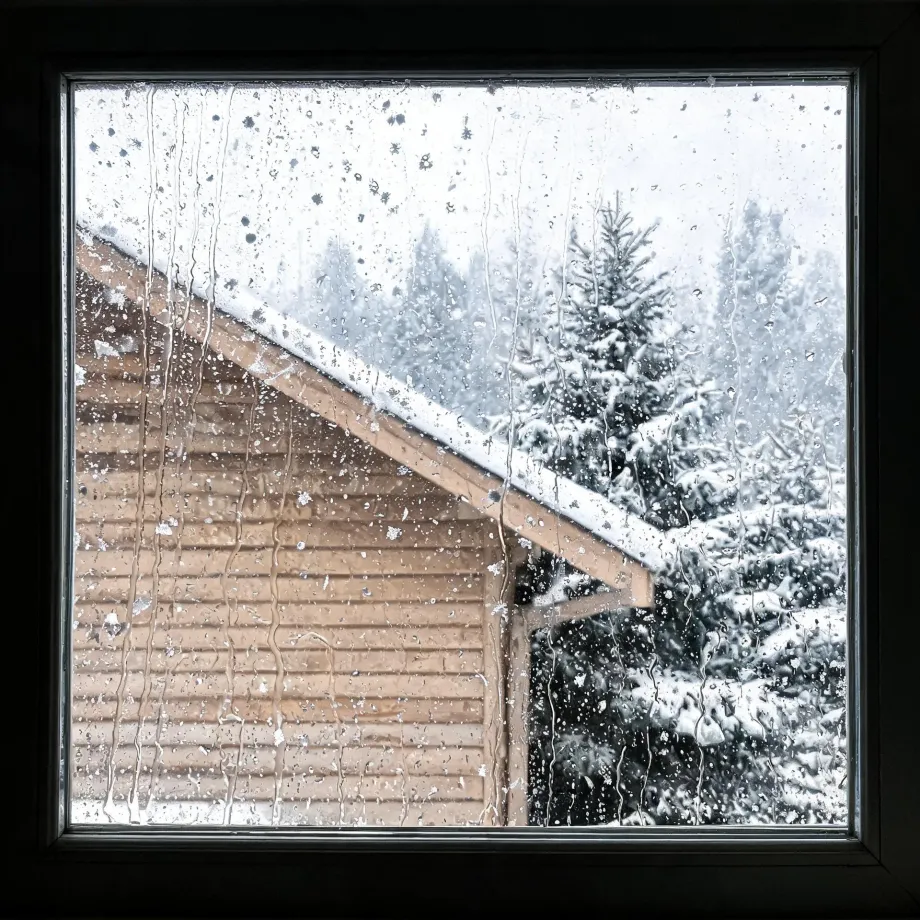
A heat pump in Douglas County runs through both heating and cooling, and the compressor cycles through all of it. Homes in Douglas County, OR run heat about nine months a year, from October through June. Capacity drops as outdoor temperatures fall, so the compressor works hardest precisely when it is already deep into a long run. A contractor diagnosing a repair here checks the reversing valve and the refrigerant charge before anything else, because those are the components that show wear from sustained cycling first. A unit that was undersized at installation has had little rest in which to hide that fact.
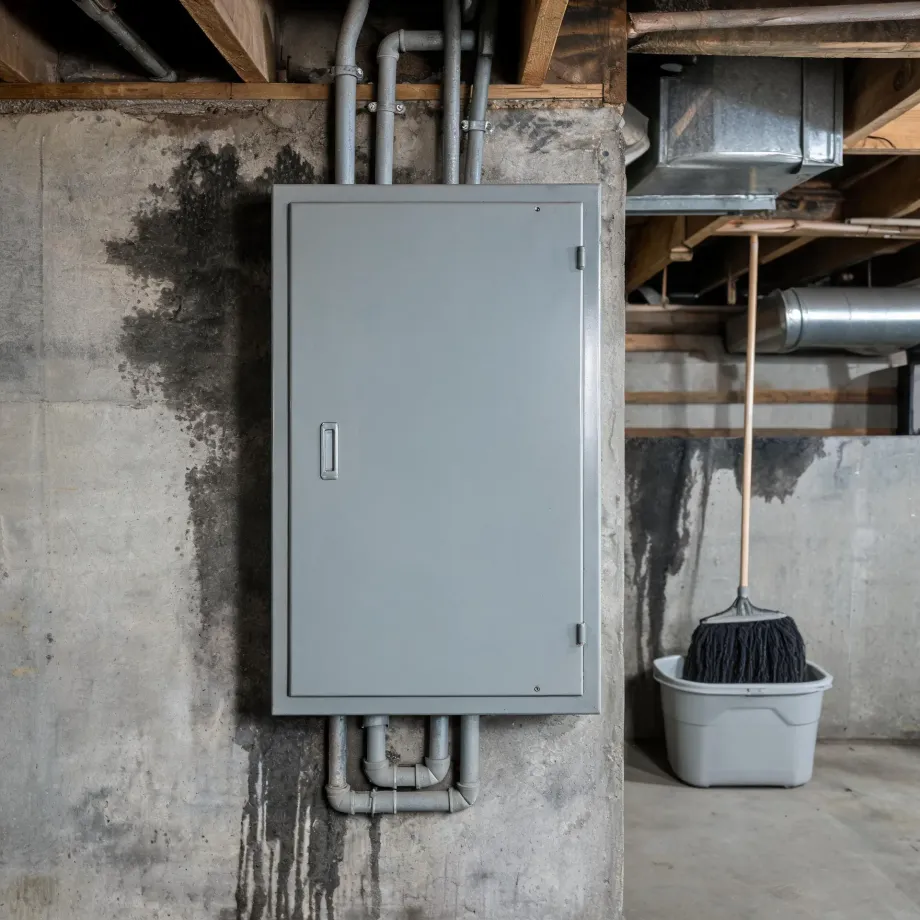
Half the homes in Douglas County, Oregon were built in 1977 or earlier (2020-2024 ACS 5-year). A house that old has likely had at least one system swap already, and what is inside the cabinet now reflects those previous decisions more than the original build. When a contractor opens a heat pump in housing like this, the refrigerant lines, coil configuration, and internal components can reflect mismatched generations of equipment rather than a coherent system. That matters for repair because a part that fits the current unit may not fit what the lines or the coil are actually set up to accept, and sourcing the right component starts with reading what is already there.
The Parts of a Heat Pump a Contractor Checks First
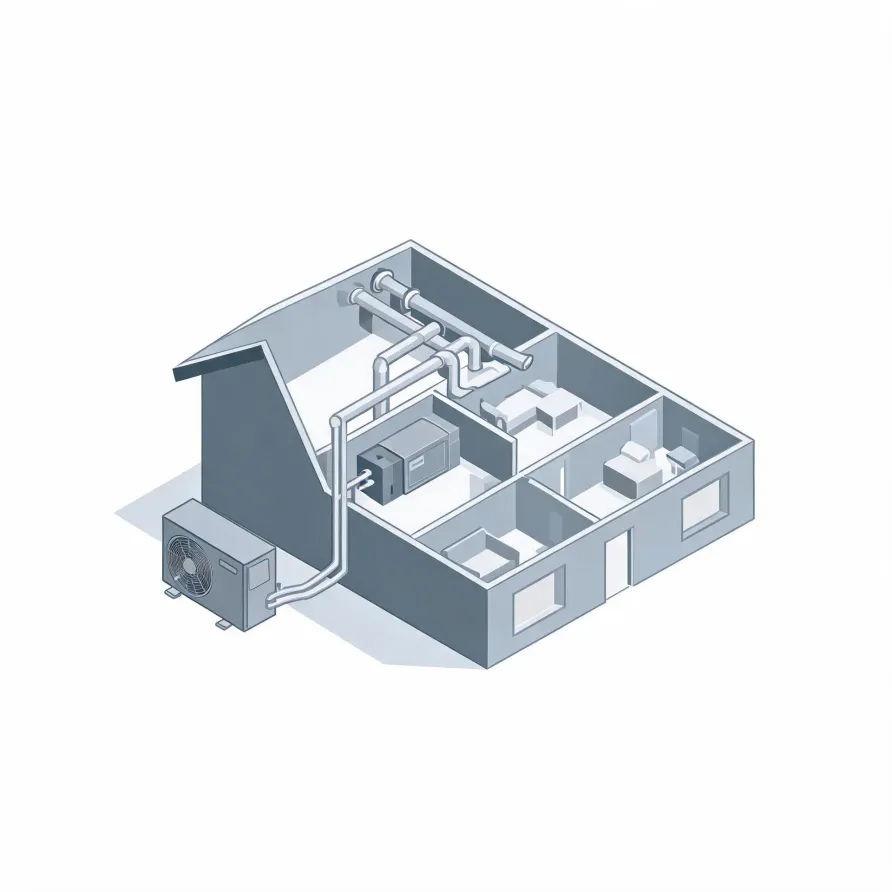
The outdoor unit sits outside the house and holds the compressor and the condenser coil. The compressor is where a contractor looks first when a heat pump loses its ability to move heat at all. The condenser coil, wrapped around the unit, is the next stop when the system runs but the output feels weak.
The air handler sits inside, usually in a utility closet or an attic, and pushes conditioned air into the living space. Inside it, the evaporator coil and the expansion valve work together, and either can be the source of icing, leaking, or uneven temperatures. The reversing valve, also inside the outdoor unit, is what a contractor tests when the system heats but will not cool, or the other way around.
The drawing shows the general layout of a heat pump system, and a licensed contractor determines which parts and conditions apply to your specific house.
Get matched in Douglas CountyDouglas County, Oregon, by the numbers
149 severe weather events were recorded in Douglas County, Oregon between 2015 and 2024.
NOAA National Centers for Environmental Information, Storm Events Database, bulk CSV export, events 2015-01-01 through 2024-12-31.Half the homes in Douglas County, Oregon were built in 1977 or earlier (2020-2024 ACS 5-year).
U.S. Census Bureau, 2020-2024 American Community Survey 5-Year EstimatesDouglas County, Oregon holds 50,562 housing units (2020-2024 ACS 5-year).
U.S. Census Bureau, 2020-2024 American Community Survey 5-Year EstimatesOwners occupy 72.7% of the occupied homes in Douglas County, Oregon (2020-2024 ACS 5-year).
U.S. Census Bureau, 2020-2024 American Community Survey 5-Year EstimatesCodes & Standards Governing Heat Pump Repair in Douglas County, Oregon2 sourced rules and standards
Licensing Rules for HVAC Repair in Douglas County, Oregon
Oregon’s contractor licence does not reach casual, minor or inconsequential work on one structure where the person’s contracts total less than $1,000 — and the exemption is unavailable to anyone who advertises or signs themselves as a contractor, at any price.
Oregon requires a current Construction Contractors Board licence, with the right endorsement, to undertake, offer to undertake or bid construction work.
Weather Stress on HVAC Equipment in Douglas County
Heat pumps work against outdoor conditions every time they run, and the harder those conditions push, the harder the equipment works. What the weather does in Douglas County over time is a direct record of the load local heat pumps carry.
149 severe weather events, 2015–2024. Source: NOAA National Centers for Environmental Information, Storm Events Database.