


How cold is too cold for a heat pump in Oregon

Get in touch with a local installer about a new heat pump.

Get my match

Most heat pumps start losing their edge somewhere around 25 to 30 degrees, and below that they still run, just with less heat coming out of the vents than you'd like. They don't shut off at a hard cutoff. The colder the air outside, the less heat there is for the system to pull in, so it works harder and the air coming out feels cooler. In the Willamette Valley and most of western Oregon, nights that drop into the 20s happen but don't last for weeks on end, so a properly sized heat pump covers nearly all of it on its own. East of the Cascades, where winter nights can sit well below freezing for longer stretches, a heat pump still works, but it leans harder on backup electric heat strips to keep the house comfortable. Either way, the fix isn't a different kind of system. It's one sized and installed for how cold it actually gets where you live.

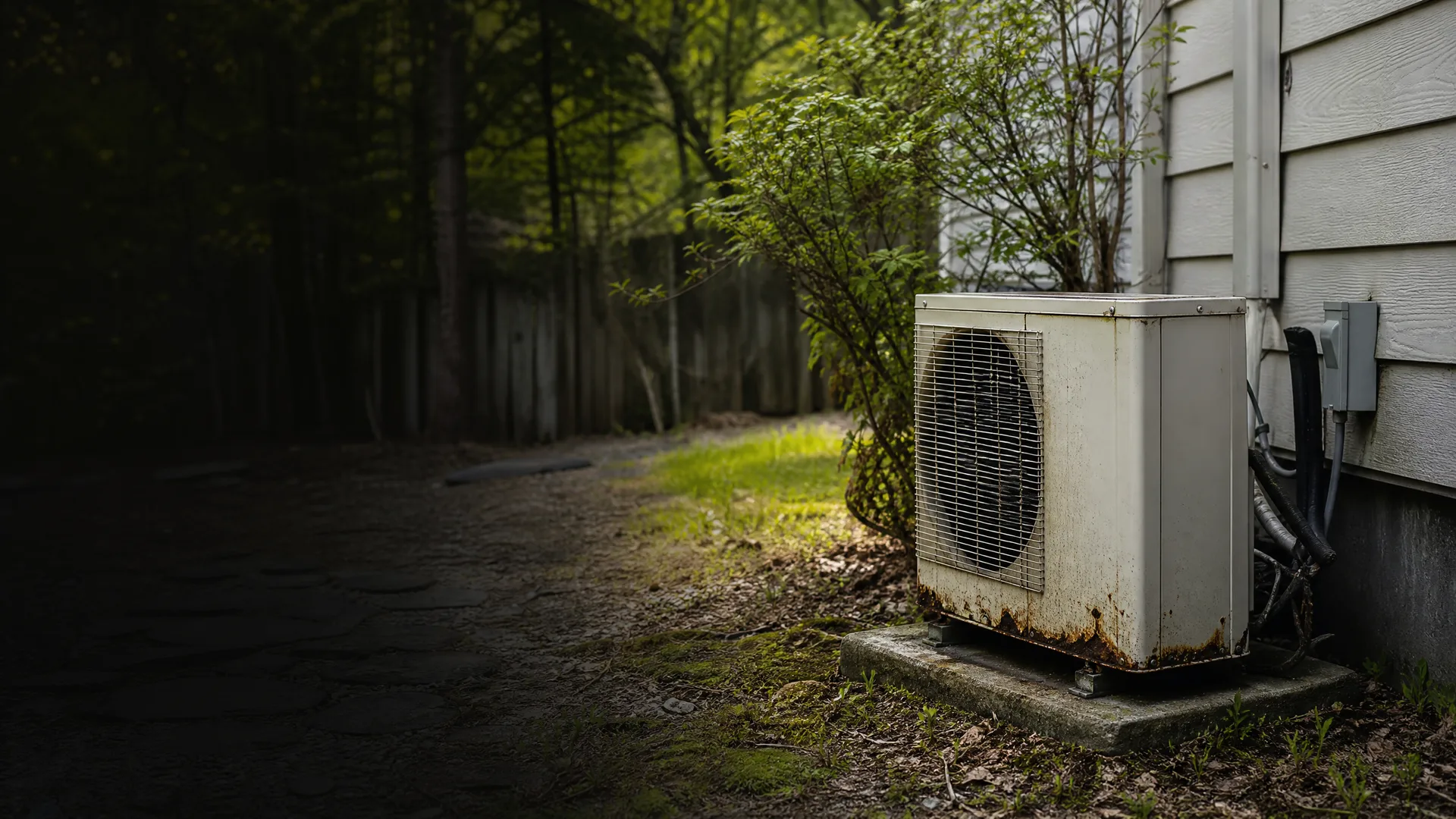
A weathered, rust-streaked outdoor heat pump unit on a concrete pad beside a house with horizontal siding, with shrubs, moss and a dim wooded yard and fence to the left.

You're out checking the yard on one of those first mild spring days when the sun finally feels like something again. Walking past the side of the house, you notice the outdoor unit sitting there, rust creeping along the base where it meets the pad. It made it through another winter, but you find yourself wondering how many more cold snaps it has left in it, and whether it kept up the way it should have back in January. The rust wasn't there a few years ago. You make a note to get someone out to look at it before next winter asks more of it than it can give.

What temperature is too cold for a heat pump to work in Oregon?

You've seen the outdoor unit running on a cold morning and wondered if it's actually doing anything, or just spinning its wheels while the house slowly cools off. With winters here bringing stretches of frost, you want to know if there's a point where the heat pump just gives up.

There's no single temperature where it stops, but under 25 degrees it's working hard for less heat

A heat pump pulls heat out of outside air, and the colder that air gets, the less heat there is to pull. Below 25 to 30 degrees, the outdoor coil has to work harder for the same result, and the air coming out of your vents feels cooler than it did in October. Most systems in Oregon keep running well past that point, down into the teens, but the output keeps dropping as the temperature does. Many homes have electric backup heat that kicks in to cover the gap on the coldest mornings. If your house keeps losing ground on cold days no matter how long the system runs, that's worth having someone look at.

A gray outdoor condenser unit on a concrete pad beside a house with horizontal lap siding, with a metal disconnect box and refrigerant lines on the wall, river rock and mulch to the sides, and a green shrub at right.

Running clear

The grille and fins stay open so air moves through the coil the way it's built to. In a heat pump running backward all winter, that airflow matters even more than it does in summer. A clean unit like this pulls what heat it can out of cold air without fighting itself to do it.


A dirty outdoor air conditioner condenser unit with debris on its coil grille, sitting on a concrete pad beside a light-colored horizontal siding wall, with bare dirt ground in front and a shrub at right.

Choked with debris

Dirt, leaves, and plant matter packed into the fins block the airflow the coil needs. A heat pump already working harder on a cold Oregon morning has less heat to pull from the air to begin with, and a clogged coil takes away more of it before that heat ever reaches your vents.

A gray-haired bearded man in a dark coat and scarf dusted with snow stands smiling in a dimly lit entryway with a white front door, a side table with a lit lamp, an oval mirror, and a patterned rug.
An older bearded man in a dark snow-dusted coat and gray scarf stands just inside a dimly lit home entry, with a framed picture, lit table lamp, and an adjoining room with a fireplace behind him, and snow visible through the open door.
A gray-haired, bearded man in a dark snow-dusted coat stands smiling in a dimly lit entry hall with a staircase, a lit table lamp, a framed picture, and a living room visible through a doorway.
An older man with gray hair and a beard, wearing a dark jacket dusted with snow, stands smiling in a dimly lit hallway with lamps and a living room visible behind him.

Get your heat pump to the right pro

Describe the project once instead of to every installer.

You only hire the pro if you want to.

Why capacity drops as it gets colder

A heat pump moves heat from the air outside into your house. There's less heat in that air at 30 degrees than there is at 50, so the unit has to work harder to pull out the same amount. That's why the output from your vents tapers off as the temperature drops, even though the system is running fine. It's doing exactly what it was built to do. The refrigerant inside still absorbs heat from outside air down to pretty low temperatures, it's just that there's less of it to grab as the mercury falls. Most of the units installed in Oregon are sized with this in mind, since winters here rarely stay brutally cold for long stretches.

What backup heat is doing for you

Most heat pump systems have a second heat source built in, usually electric resistance coils, that kicks in when the outdoor unit can't keep up on its own. You'll notice this as a slight jump in output on the coldest mornings, sometimes paired with a shift in sound as the system switches modes. It's not a sign anything's wrong. It's the system filling the gap between what the heat pump can pull from the cold air and what your house actually needs to stay warm. Since most homes here heat with electricity anyway, this backup is already built into how the system is designed to run through an Oregon winter.

A woman wrapped in a thick beige fleece blanket sits on a sofa with an open book on her lap, beside a lit table lamp, with a frost-covered window behind her.
A smiling older woman with gray hair in a cream knit sweater stands in a dimly lit kitchen beside a window showing snow outside, with a round loaf of bread on the counter in the foreground.

Once outdoor temperatures drop into the mid 20s, the outdoor coil can't pull in enough heat on its own, so backup heat strips kick in to cover the rest. That backup heat works like a space heater, straight electric resistance, and it costs more per hour than the compressor running by itself. A thermostat that jumps several degrees at once can trigger those strips even when it isn't that cold out, because the system reacts to how far it has to climb, not just the outdoor temperature. Cold, damp air also builds frost on the outdoor coil, and when that happens the system runs a defrost cycle, briefly reversing itself to melt the frost off. During defrost the outdoor fan stops, you might see steam or light smoke coming off the coil, and cool air blows inside for a few minutes. That's normal. Some homes pair the heat pump with a gas furnace instead of strips, and that system switches over to gas once it's cold enough that gas heats the house for less than the compressor can.

What happens when it gets cold

  • Below about 25 to 30 degrees, most heat pumps switch on backup heat strips to make up the difference the outdoor coil can't pull in.
  • That backup heat is straight electric resistance, like a space heater, so it costs more to run per hour than the compressor alone.
  • A thermostat set to a schedule that jumps the temperature up fast can trigger backup heat even on a mild day, because the system reads the gap and reacts.
  • Frost builds on the outdoor coil in cold, damp weather, so the unit runs a defrost cycle that briefly reverses the system and blows cool air inside.
  • The defrost cycle is normal and usually lasts a few minutes, with the outdoor fan stopping and steam or light smoke sometimes rising off the coil as frost melts.
  • Some systems pair the heat pump with a gas furnace instead of electric strips, switching over once outdoor temperatures drop low enough that gas becomes the more efficient choice.
A gray outdoor condenser unit on a concrete pad beside a house with gray lap siding, connected by conduit and refrigerant lines to a wall-mounted disconnect box, with a green shrub and mulch bed at left.
This unit sits clean on its pad, conduit and disconnect in good shape, nothing blocking the fins or the airflow it needs.
An outdoor air conditioning or heat pump condenser unit on a concrete pad beside a house with horizontal vinyl siding, a gray electrical disconnect box and conduit on the wall, and a concrete walkway in the foreground.
Dirt on the coil and a unit this worn make the same cold morning harder on it, with less heat getting into the house for the power it draws.
  1. The outdoor coil pulls heat out of the cold air outside.

  2. The compressor raises that heat to a usable temperature.

  3. The indoor coil releases the heat into air moving through your ducts.

  4. Below about 25 to 30 degrees, electric heat strips switch on to help.

Power costs 15.46 cents per kilowatt-hour statewide

Since your house heats with electricity, those backup heat strips aren't a small add-on to the bill. At 15.46 cents a kilowatt-hour, running straight resistance heat on a cold morning costs more per hour than the compressor does on its own.

EIA-861 2025 statewide residential average

A woman in a cream sweater and jeans stands in the open doorway of a white stucco house, holding the dark door, while a man in a dark quilted jacket seen from behind walks toward the entry past potted plants.

Your heat pump isn't guessing out there

A heat pump in Oregon slows down somewhere around 25 to 30 degrees and leans on backup heat strips below that. That's normal. It's not a sign the unit is failing, it's just how the equipment handles a cold morning. Whether yours is handling it well depends on things you can't always see from the yard: the charge, the coil, whether the strips are kicking on when they should.

If you've read this far wondering whether your own system is doing what it should on a cold morning, that's worth a straight answer from someone who can look at the unit itself. Instead of searching around, calling a few companies, and explaining the same thing to each one, you'd be matched with a contractor who takes on jobs like yours, and they'd reach out to you directly. One call explained once, to someone who shows up already knowing what you need looked at.

A living room corner with a beige sofa and cushion, a round wooden coffee table holding a pale ceramic vase of eucalyptus stems and a wooden bowl, and a curtained window with a potted plant above a latticed radiator cover in the background.
An outdoor heat pump unit with a large circular fan sits on a concrete pad beside a dark horizontal-sided building, with gravel ground and green shrubs at right.

The right pro for this job

Skip collecting and comparing quotes for the new heat pump.

Step 1 of 3: Equipment