









Beaver State Heat Pump

Is a heat pump worth it with typical power in Oregon

Get in touch with a local installer about a new heat pump.

Request a pro

Is a heat pump actually worth it in Oregon?

You keep hearing that heat pumps struggle in cold weather, and you want to know if that applies to you before you commit to one. Most homes in Oregon heat with electricity already, so you're not weighing it against a gas bill. You're thinking about what you'll actually pay to stay warm through winter and cool through the mild summer, and whether a heat pump makes sense for the climate you live in.

Yes, for most homes in Oregon

A heat pump moves heat instead of generating it, so it takes less electricity to produce the same warmth as baseboard or resistance heat. That matters in Oregon because most homes already heat with electricity, so the comparison isn't gas versus electric, it's electric versus electric, and a heat pump wins that one on efficiency alone. Summers here don't put much strain on the system either, since the air stays dry and temperatures don't run extreme, so the same unit that heats your home through winter cools it without working hard the rest of the year. With power priced about average for the country, the savings come from using less of it, not from a special rate.

A woman with long gray hair wrapped in a checked blanket sits on a sofa by a window with yellow autumn foliage outside, with a lamp, framed picture and plant in the background.
An older woman in a cream knit sweater sits on a sofa by a window, looking out at sunlit trees with yellow and orange autumn leaves, with a bookshelf and lamp behind her.
A woman with gray shoulder-length hair in a dark knit sweater sits on a cushioned seat by a window, looking out at yellow autumn foliage, with a living room, armchair, houseplant and framed picture behind her.
An older woman with gray hair in a bun, wearing a cream knit sweater, sits on a sofa with a gray blanket and looks out a large window toward yellow-green autumn trees, with a lit table lamp and dark armchair behind her.

Heat Pump or Stay Electric Resistance

Heat pump

  • It moves heat instead of making it, so it uses less electricity than baseboard or resistance heat to hold the same temperature.
  • In a warm Oregon summer without heavy humidity, it cools the house without needing a separate air conditioner.
  • Below a certain outdoor temperature it loses capacity and leans on backup heat strips, which cost more to run than the heat pump itself.
  • One system handles both heating and cooling, so you are not maintaining a furnace and a separate AC unit.
  • Output drops as it gets colder outside, so on the coldest nights it may run longer to keep up.

Staying electric resistance

  • Baseboard or wall heaters put out the same heat no matter how cold it gets outside, so capacity never drops when you need it most.
  • They draw more power to produce the same warmth, since they make heat directly instead of moving it from outside air.
  • There's no outdoor unit, no refrigerant line, and no defrost cycle to think about.
  • You still need a separate way to cool the house if summer heat becomes more than open windows can handle.
  • With power priced the way it is in Oregon, running resistance heat all winter costs more than running a heat pump for the same hours.
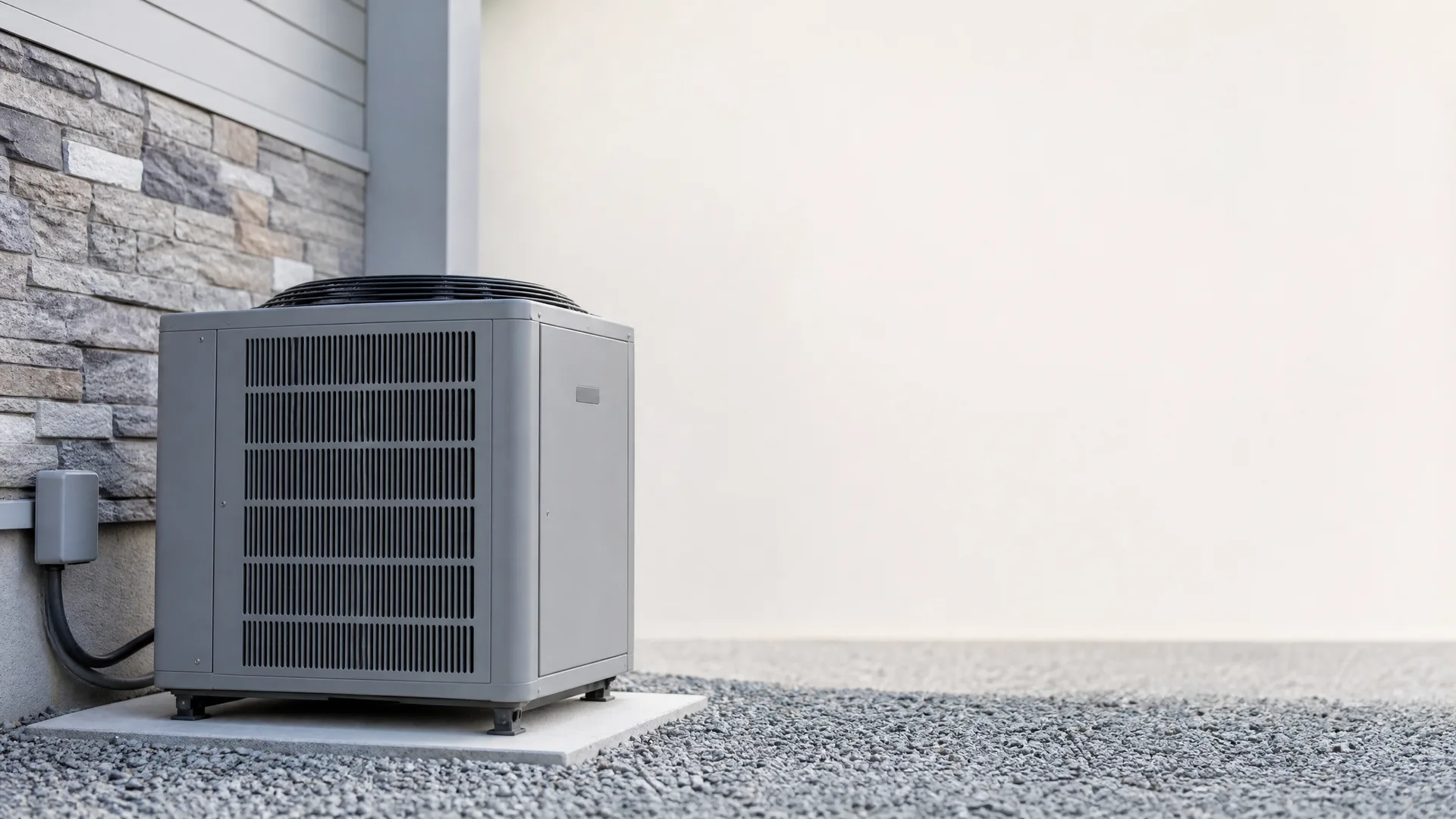
A gray outdoor condenser unit on a concrete pad beside a house with stacked stone and horizontal siding, surrounded by gray gravel and a plain light wall.

Why it costs less to run

A heat pump moves heat instead of burning or resisting its way to it. Baseboard and resistance heat make warmth by forcing electricity through a coil, so every watt in becomes a watt of heat out. A heat pump pulls heat from the outside air and concentrates it indoors, so it can deliver several times more heat than the electricity it uses would produce on its own. That difference shows up directly on a power bill in a state where most homes already heat with electricity.

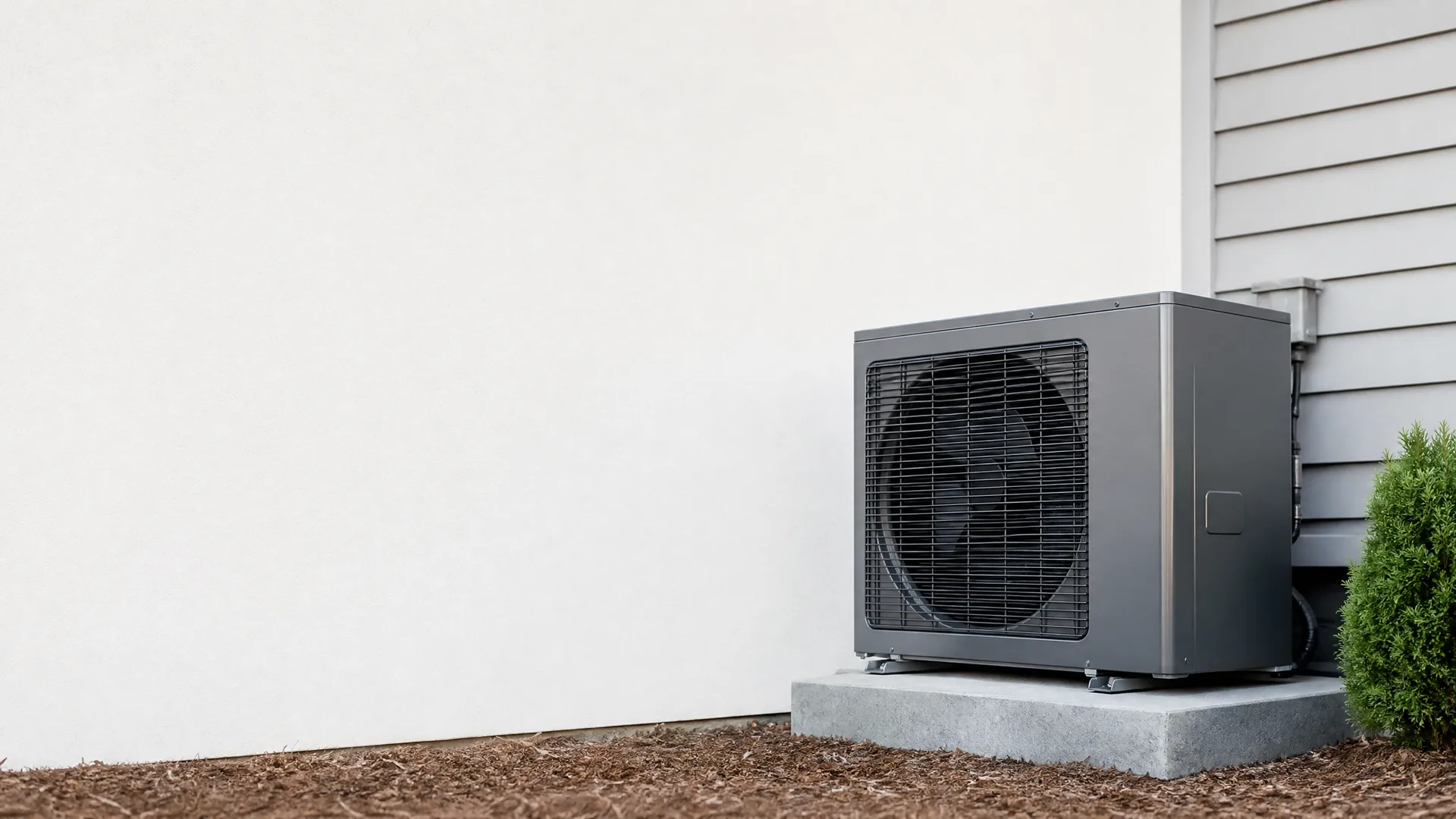
A dark gray outdoor heat pump unit sits on a concrete pad beside a white stucco wall and lap-sided house corner, with mulch and a small shrub in the foreground.

What a mild winter means here

Heat pumps lose efficiency as the outside air gets colder, because there's less heat out there to move. Oregon winters don't push temperatures down to the extremes that strain a heat pump's limits the way they do in colder states. The outdoor unit keeps working through the range of temperatures typical here without dropping into the territory where a furnace or backup heat strip has to take over most of the load.

Why is your electric bill still so high

If baseboard or resistance heat is what your house has run on, you already know the bill that comes with it. You watch the thermostat more than you'd like, and you turn rooms down when nobody's in them because leaving it running feels expensive. That habit is the cost showing up, not in a noise or a smell, but in what you pay every month to stay warm. A heat pump installed in place of that system changes what you're paying for the same warmth. If yours is still resistance heat, that monthly number is the clearest sign you're due for a change, and it won't go down on its own.

An outdoor air conditioner condenser unit on a concrete pad beside a house with beige horizontal siding, with conduit running from an electrical box on the wall.
Before you get your heat pump installation
A gray outdoor heat pump unit on a concrete pad beside a house with horizontal lap siding, connected by conduit and a flexible line to a wall-mounted disconnect box, with low shrubs and mulch nearby.
After you get your heat pump installation
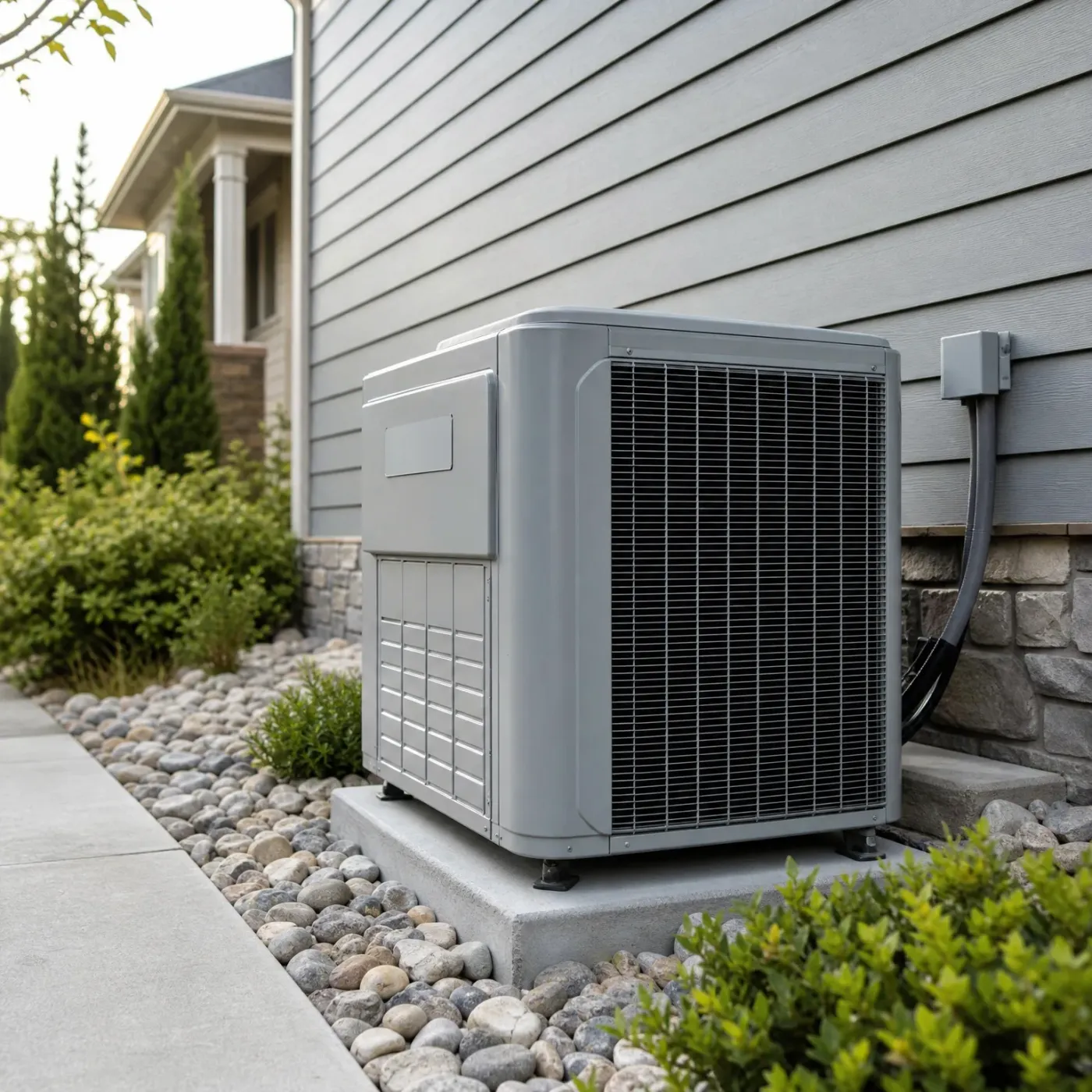
A gray outdoor heat pump unit on a concrete pad beside a house with light gray horizontal lap siding and a stone base, surrounded by river rock and shrubs next to a concrete walkway.

A heat pump pro near you

One installer gets your project, so there's no bidding war over it.

A local installer who puts in heat pumps gets your project.

Find a local pro

It costs nothing to send, and you don't have to hire anyone.

A woman stands in the open black front door of a white-sided house with a dark shingled roof while a man in a navy jacket approaches along the walkway, with lantern wall lights, a potted shrub, and flowering garden beds nearby.

What's happening inside the unit when it's 35 degrees outside

A heat pump pulls heat out of outdoor air using the same cycle a refrigerator runs, just pointed the other way. Refrigerant in the outdoor coil absorbs heat from the air passing over it, even when that air is cold, then a compressor squeezes the refrigerant so its temperature climbs higher than the air inside your house. That hot refrigerant moves to the indoor coil and gives up its heat there. When the outdoor coil gets cold enough to frost over, the system reverses itself for a few minutes, sends hot refrigerant outside to melt the frost, and switches back. You might notice the outdoor unit looking like it's blowing steam during that cycle. That's normal.

Knowing that cycle matters because the failures that show up are specific to it: a reversing valve that sticks, a defrost sensor that reads wrong, a frozen coil that never clears. A contractor who services heat pumps through an Oregon winter sees those same few things fail, in that same order of likelihood, season after season. When you get matched, it's with one local contractor who works on this equipment where you live, not a pool of installers who've never dealt with how yours runs in the cold.

A wooden table holding a stone vase with a bare branch, two stacked books and a small dark bowl, beside a window with green foliage outside and a sofa in the dim background.
A gray outdoor heat pump unit on a concrete pad beside a house with horizontal lap siding, with a conduit running to a wall-mounted disconnect box and a green shrub to the left.

Clear coils, steady running

A unit like this draws air through clean fins without resistance. The disconnect box and conduit are easy to check during a service visit. Kept clear of mulch and shrubs crowding the sides, it moves heat efficiently through the coldest months here.


An outdoor air conditioner condenser unit on a concrete pad beside a house with horizontal vinyl siding, with refrigerant lines and an electrical disconnect box on the wall and dry leaves on the ground.

Dirty fins, harder running

Leaves packed around the base and grime on the coil fins block airflow the unit needs to pull heat from outside air. It has to run longer to hold the same temperature, and that shows up on your bill before anything fails outright.

A woman in a cream knit sweater sits in an armchair with her eyes closed and head tilted back, beside a window showing orange autumn foliage and a wooden side table with a mug.
A gray-haired man in a blue quarter-zip sweater sits in an armchair with his eyes closed, beside a large window with bare trees outside and a potted plant and lamp nearby.
A gray outdoor condenser unit on a concrete pad beside a house with horizontal lap siding, with a wall-mounted disconnect box, conduit and insulated refrigerant lines, a shrub at left and gravel at right.

Running the way it should

A unit like this sits clear on its pad, lines and conduit intact, nothing crowding the cabinet. Airflow across the coil stays even, so it doesn't have to work harder than it should to hold your temperature. A yearly check catches a low charge or a worn part before it costs you a winter.

An outdoor condenser unit on a concrete pad beside a horizontal-sided house, with insulated refrigerant lines running to a wall-mounted box, surrounded by bare dirt.

Aging and falling behind

This one has been outside through a lot of Oregon winters. Weathered fins and a tired cabinet usually mean the coil isn't transferring heat the way it used to, and the compressor is working harder for the same warmth. Once it falls behind like this, your bill is the first place it shows.

Power costs 15.46 cents per kilowatt-hour statewide

At 15.46 cents per kilowatt-hour, every unit of heat your pump moves instead of makes is worth more to you than it is in states with cheaper power. That's the rate your bill is already built on, so the savings show up at the same price you're used to paying.

EIA-861 2025 statewide residential average

A heat pump makes sense for a home already heating with electricity, and that's most homes in Oregon. It costs less to run than baseboard or resistance heat, and it covers summer without a separate air conditioner. Cold snaps don't change that math where you live. If yours is struggling, or you're putting one in for the first time, the installation matters as much as the equipment itself, and that's work best left to someone who sets up this equipment in Oregon homes all year and knows where these installs tend to go wrong. You'll be matched with one licensed local contractor for your situation, not a handful of companies competing for your callback.

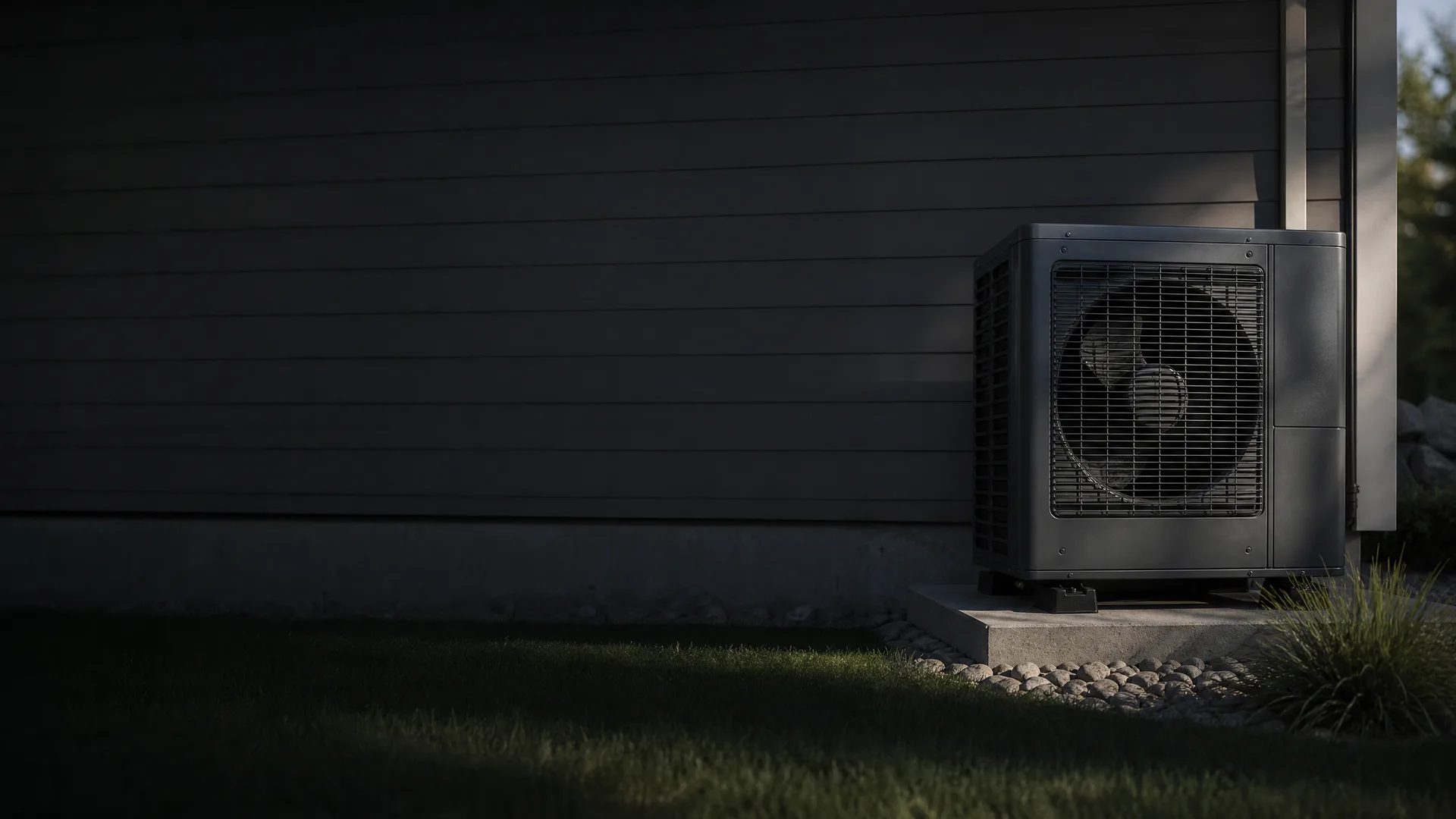
An outdoor air-source heat pump unit with a large fan grille stands on a concrete pad beside a dark horizontal-slat clad house wall, bordered by gravel, grass and an ornamental grass clump.

A local pro for your heat pump installation

Your request goes to one pro, not a list of companies.

Step 1 of 3: Equipment