Running a full cycle
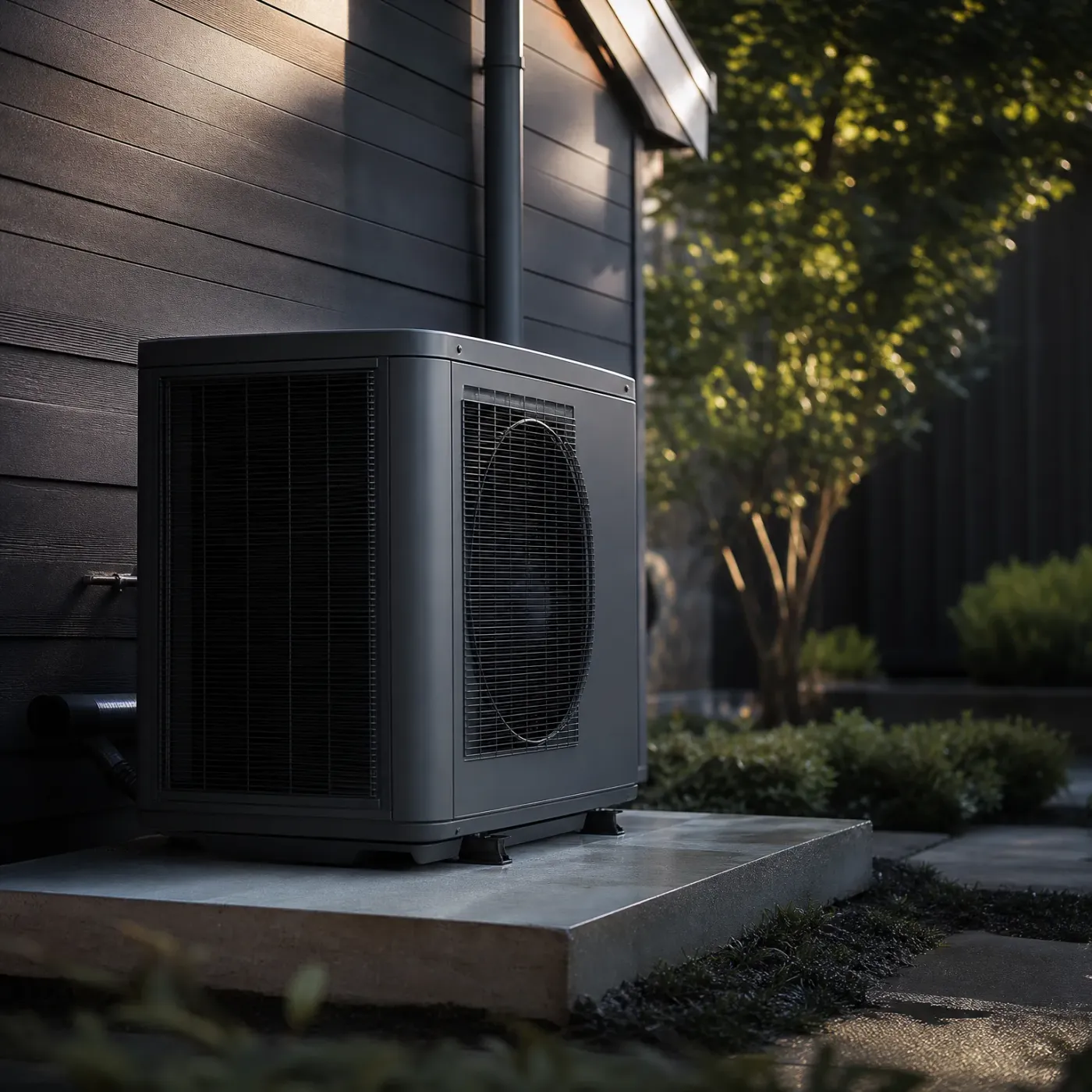
This unit sits clean on its pad, lines and conduit running straight to the disconnect box. When it starts, it stays on long enough to push heat through the whole house before it shuts off. That's what a normal cycle looks like.
A local pro for your heat pump repair
A heat pump that turns on and off every few minutes, instead of running a full cycle, is working harder than it should. It could be the thermostat, the refrigerant charge, the sizing, or something electrical. This page gets into what causes it and what a repair tech checks first, so you can skip the back and forth of explaining your system to five different contractors.
Find my proShort cycling means your heat pump turns on, runs for a few minutes, then shuts off before it finishes heating the house, over and over. A unit that's too big for the house does this because it satisfies the thermostat too fast. A low refrigerant charge does it too, and so does a dirty air filter or a blocked outdoor coil choking off airflow. In Oregon's wet, mild winters, that outdoor coil can also ice up if the defrost cycle isn't working right, which trips the system off early. A failing thermostat or a bad sensor can tell the unit to shut down when the house hasn't actually reached temperature. None of these fix themselves, and running this way wears out the compressor faster than normal use would. It also means the rooms where people actually spend their time never quite hold steady heat, with the system blowing cool air in bursts instead of keeping things even.




Cold snaps seem to be when the short cycling gets worse. You've noticed it happens more on the coldest mornings than on a mild afternoon, and you want to know if that's just how heat pumps behave in winter or if something is actually wrong with yours.
A heat pump pulls heat from outside air, and the colder that air gets, the harder the unit has to work to pull enough of it. Oregon winters don't hit extreme lows most years, but even moderate cold adds strain on a system that already has a problem, like a low refrigerant charge or a failing defrost control. The unit may kick into defrost mode to clear frost off the outdoor coil, then shut off and restart more often as it tries to catch up. A heat pump in good working order handles that cycle without tripping off early. One that short cycles worse in cold weather is telling you the underlying issue gets worse under load, not that cold alone is the cause.



This unit sits clean on its pad, lines and conduit running straight to the disconnect box. When it starts, it stays on long enough to push heat through the whole house before it shuts off. That's what a normal cycle looks like.

The fins and grille on this one are coated in dust and grime. Airflow through a clogged coil like that drops, the unit can't move enough heat, and it shuts off early, then starts again a few minutes later.
You hear the outdoor unit kick on, then quiet, then on again a few minutes later, all day. Rooms farther from the thermostat stay cold while the one with the thermostat reads fine. The air coming out of the vents feels cooler than it should, like the system never got going before it quit. Your electric bill runs higher than a normal winter month because the compressor is starting over and over instead of running one steady stretch. Left alone through a cold Oregon winter, that constant starting and stopping wears on the compressor faster than normal use would, and a compressor is not a cheap part to replace.

It's a January morning, the house still dark. You're in the kitchen in a coat, waiting on coffee, and you hear the outdoor unit cut on, then off, then on again a few minutes later. Through the window the grass has that frost look it gets most winter mornings here. Your kid comes down in socks, complaining the living room floor is cold, and you already know the thermostat in the hallway reads seventy while that room sits closer to sixty. You've been meaning to get someone out to look at it, but you haven't had the time to start calling around and telling the story over again to every one of them.
You're running that heat pump most of the year, since electric heat is what most houses here use, and short cycling like this is costing you more than a comfortable house. Each restart pulls a jolt of power to get the compressor going again, and it's doing that every few minutes instead of settling into one steady run. A tech who comes out can put gauges on the lines, check the charge, look at whether the unit was sized right for your house, and find out which of those it actually is instead of you guessing from the kitchen. Finding that tech is the part that takes the time: looking up who works on heat pumps nearby, calling a few, telling each one the same story about the on-off-on, then waiting on quotes to compare. Handing that off means one contractor who works on this gets in touch with you directly, and the mornings of listening to that unit cycle are closer to being over.
The thermostat calls for heat and the reversing valve shifts.
The compressor starts and draws in refrigerant vapor.
A pressure or temperature switch senses something is wrong.
The control board cuts power to the compressor early.



Summer air here holds less moisture, with a dew point around 52°F across June, July and August, according to NOAA climate data. That matters more for your heat pump's cooling side than the heating side you're probably fighting with most of the year. Dry air like this means the coil doesn't have to pull much moisture out, so a short cycling unit might still leave the house feeling fine in summer even while it's struggling. That can hide a problem that gets worse once the weather turns cold and the same heat pump is working harder to keep the house warm, cycling on and off instead of running the long, steady stretch it needs to push heat through every room.
NASA POWER T2MDEW county cells weighted by homes

A heat pump that keeps shutting off early never gets the chance to push heat past the room the thermostat sits in. Whoever's in the bedroom or the back of the house feels it first, pulling on another layer while the thermostat reads a comfortable number. That gap between rooms is usually the first sign anyone in the house notices, long before someone checks the outdoor unit.
Left alone, the short cycling doesn't fix itself, and the stop-start keeps stressing the same compressor that's supposed to carry the whole house through winter. Instead of pulling together a list of HVAC companies, calling each one, and walking through the same symptoms again and again, you can get matched with a contractor who takes on cases like this and have them reach out to you directly.

At 15.46 cents a kilowatt-hour, every short restart adds up on a bill that's already running most of the year. A heat pump that stops and starts instead of holding a steady cycle pulls more power getting the compressor back up to speed each time, and you pay for that even though the house never got all the way warm.
EIA-861 2025 statewide residential average
Short cycling comes down to the same handful of causes every time. A thermostat giving bad readings, a refrigerant charge that's low, a unit sized wrong for the house, or a switch cutting power to the compressor too soon. None of those fix themselves, and none of them show up clearly without someone opening the unit up and testing it. The thermostat is cheap to rule out. The others need gauges, amp readings, and a look at what the house actually needs compared to what the unit was built to deliver. Until one of those gets found and fixed, the unit keeps restarting, and every restart is a small draw of extra power on a system you're already running most of the year to keep the house warm. That adds up on a bill that was never small to begin with.
What normally eats the time here isn't the repair itself, it's getting to someone who can do it. Finding a contractor who works on heat pumps, calling a few, explaining the same thing about the on-off-on pattern to each one, then sitting with quotes trying to figure out who actually knows what they're doing. Matching with a contractor through this page skips that part. You explain it once, to someone already set up to take the job, and they're the one who calls you back. The short cycling doesn't go away on its own, but finding someone to stop it doesn't have to take the whole afternoon.
Explain the job once and skip repeating it on every call.